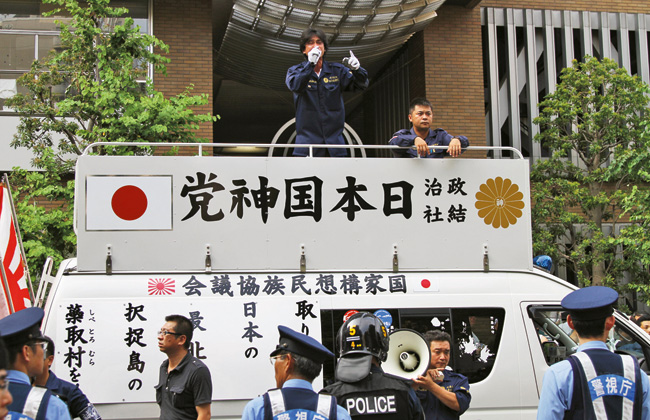
Song of the Rightwing Soundtruck: Tunes the Uyoku Use to Shatter Our Calm Posted on October 29, 2012 by dangrunebaum Military songs from the ’30s and ’40s played to ear-rending levels, or even the occasional enka or anime theme song the rightwingers use to spice up their playlists, are probably not most modern-day Japanese people’s cup of tea. Yet their popularity on YouTube speaks volumes. Japan’s war songs might just hold a greater appeal to many Japanese people than you might imagine. Metropolis, Oct 26, 2012
Festival/Tokyo 2012: Japan’s marquee theater fest defends free speech post-3/11 Posted on October 14, 2012 by dangrunebaum “In recent Japanese media… we can see a critical and dangerous increase in one-sided denunciations of risk-taking artists and art,” says program director Chiaki Soma in her notes for F/T12. To combat what she sees as a “nonchalant oppression,” Soma cobbled together a hard-hitting lineup of political theater for the fest’s fifth edition. Metropolis, Oct 11, 2012

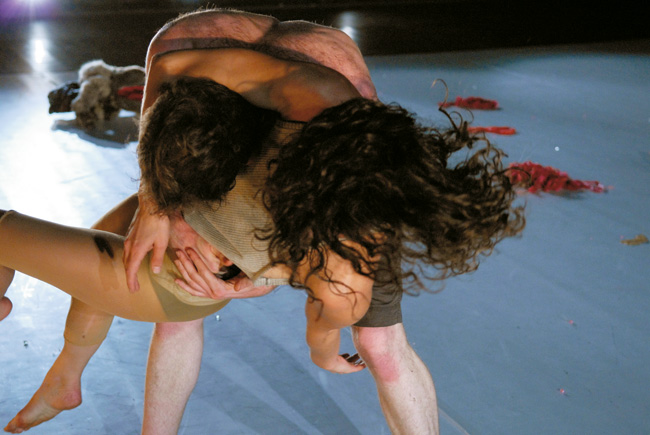
Dance Triennale Tokyo 2012: Shock of the new at Japan’s top contemporary dance fest Posted on September 29, 2012 by dangrunebaum “At the other end of the spectrum from classical ballet, Tokyo possesses one of the world’s busier contemporary dance scenes. In contrast to the starkly uniform, white-painted bodies of Japanese butoh dancers, Japan’s contemporary dance community is a motley lot. Productions vary from the dystopian creations of Yoko Higashino’s Baby-Q company to the satirical pop revues of Ryohei Kondo’s Condors, reflecting Tokyo’s absorption and redefinition of diverse Western contemporary dance forms.” Metropolis, Sep 11, 2012
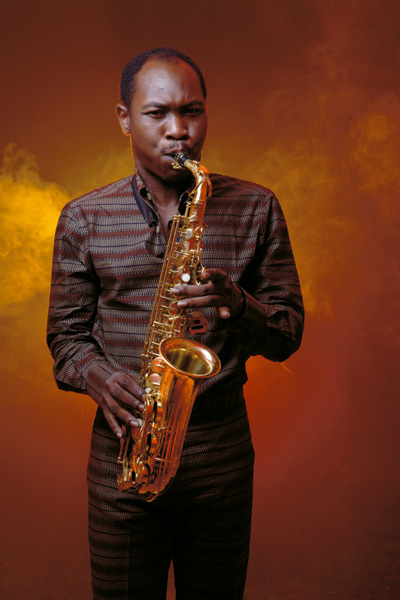
Seun Kuti: Afrobeat’s new messenger doesn’t mince words Posted on September 10, 2012 by dangrunebaum The youngest son of Afrobeat pioneer Fela Kuti says Nigerians are “still going through the same shit our fathers went through,” and that he’s determined to keep singing about it. Metropolis, Aug 30, 2012
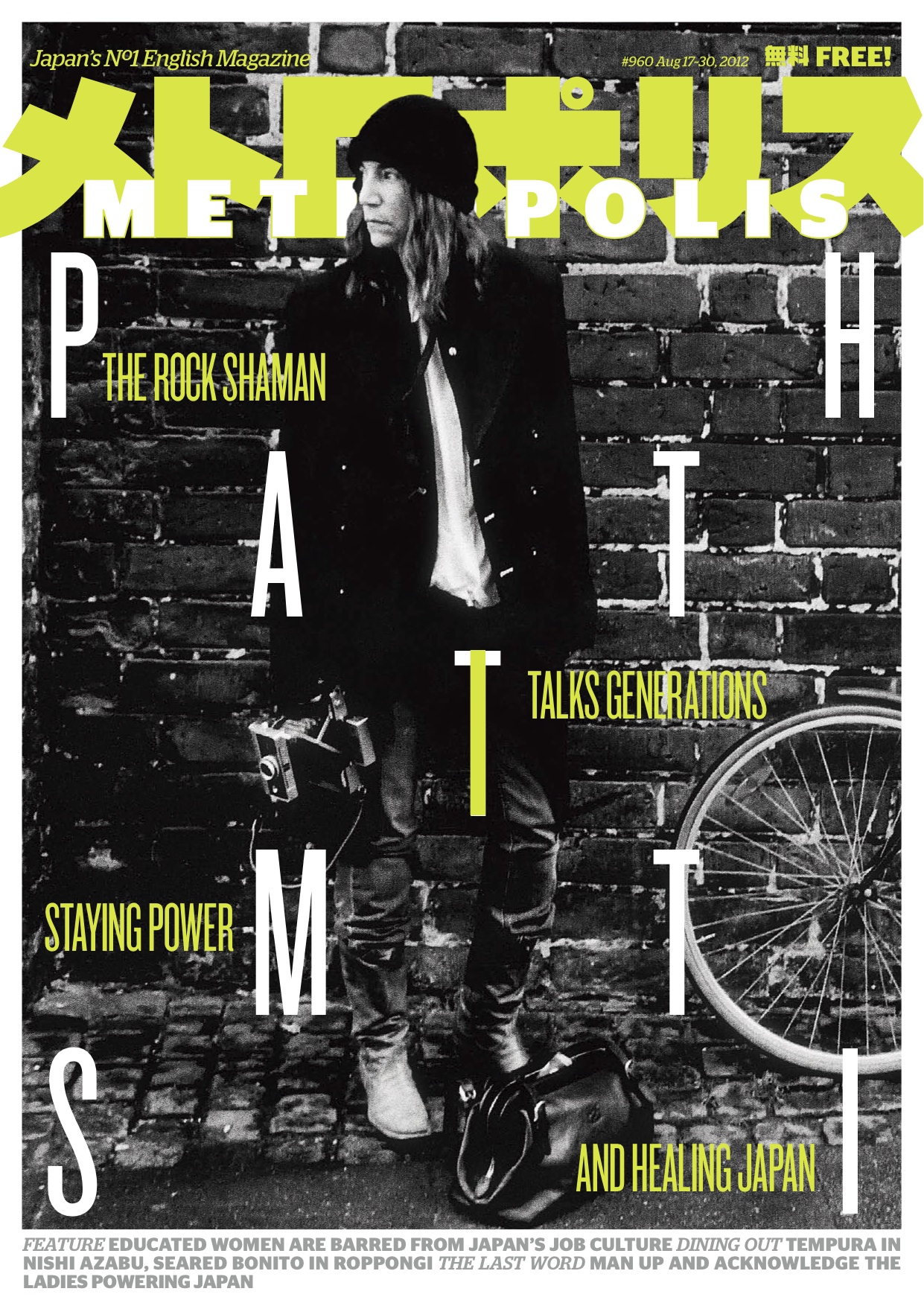
Patti Smith: Don’t Call Her a Survivor Posted on August 26, 2012 by dangrunebaum “I was deeply concerned about the people and their morale,” Smith says by phone from Amsterdam, where she’s set to play the city’s famous Paradiso. “Lenny [guitarist Lenny Kaye] and I wanted to write a song but we didn’t want to write specifically about the disaster. Lenny was working on some chords and the words just came to me. It’s a simple song based on 16th-17th century Japanese literature. It’s a prayer to the mountain to shelter the people.” Metropolis, Aug 17, 2012
Tenniscoats: All Aboard! Posted on July 13, 2012 by dangrunebaum Onetime wife-and-husband indie-psych-folk duo Tenniscoats have charmed audiences worldwide for over 15 years now with their barmy, improvisational performances. But does the fun translate to the less immediate form of recorded music? Metropolis, Jul 10, 2012
Squarepusher: It’s back to the future for the English techno wunderkind Posted on July 5, 2012 by dangrunebaum “There’s a longstanding prejudice among people who follow more cult forms of music,” Jenkinson continues, “that popularity is inherently bad. It happened in the ’90s when drum and bass entered popular music, and stopped being underground. But I don’t involve myself. I’d quite happily sell millions of records.” Metropolis, Jun 28, 2012
Jun Miyake: The trumpeter remembers German dance giant Pina Bausch Posted on July 4, 2012 by dangrunebaum “Pina’s feedback was always simple: Yes or no.” Metropolis, Jun 21, 2012
Hot Chip: So, who’s the hottest chip? Posted on June 27, 2012 by dangrunebaum “There’s something about the beginnings of making synths talk to each other in a certain way that gives those records a certain kind of appeal,” Joe Goddard continues, citing artists like Human League and Giorgio Morodor. “People talk about the fact that it was difficult to make sequenced records in those days—the struggle made them better. You had to really think about what you were doing.” Metropolis, Jun 8, 2012
Moja: Masumi and Haru issue a sonic punch to the gut Posted on May 30, 2012 by dangrunebaum “I see death every day, so I understand the finality of life,” Haru concludes. “When people die they become simply material objects, so that gives me an appreciation of life. It makes me feel like I could die anytime so I want to do all I can while I’m alive. I don’t want to leave any regrets.” Metropolis, May 23, 2012