The Chieftains: 50 years of avoiding politics and religion
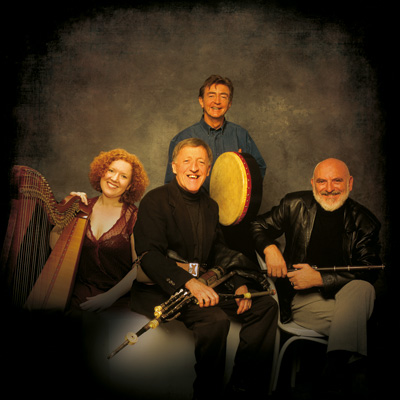
In a career that overlapped with the worst of Ireland’s “Troubles,” the Chieftains were also uncompromising in their refusal to get drawn into Catholic-Protestant conflict. “I always kept away from politics and religion,” bandleader Paddy Moloney says. “As a result we were probably the only group of our kind to play a mixed audience in Belfast. One of the senior unionist guys was one of our biggest fans and when we did our 25 years celebration he came down and spoke. He said this and that, but that music is music.”

Metropolis, Nov 5, 2012

Image

Song of the Rightwing Soundtruck: Tunes the Uyoku Use to Shatter Our Calm
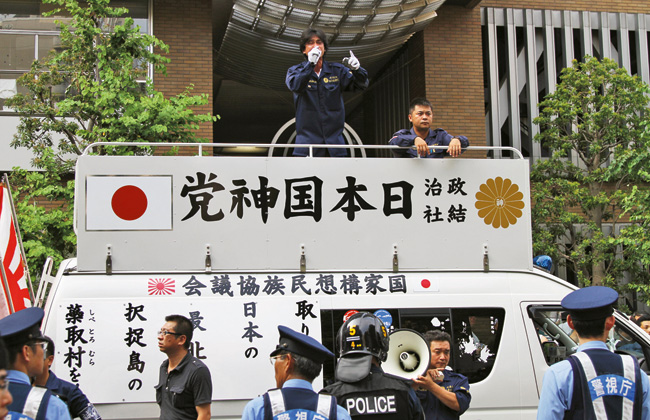
Military songs from the ’30s and ’40s played to ear-rending levels, or even the occasional enka or anime theme song the rightwingers use to spice up their playlists, are probably not most modern-day Japanese people’s cup of tea. Yet their popularity on YouTube speaks volumes. Japan’s war songs might just hold a greater appeal to many Japanese people than you might imagine.

Metropolis, Oct 26, 2012

Festival/Tokyo 2012: Japan’s marquee theater fest defends free speech post-3/11

“In recent Japanese media… we can see a critical and dangerous increase in one-sided denunciations of risk-taking artists and art,” says program director Chiaki Soma in her notes for F/T12. To combat what she sees as a “nonchalant oppression,” Soma cobbled together a hard-hitting lineup of political theater for the fest’s fifth edition.

Metropolis, Oct 11, 2012

Dance Triennale Tokyo 2012: Shock of the new at Japan’s top contemporary dance fest
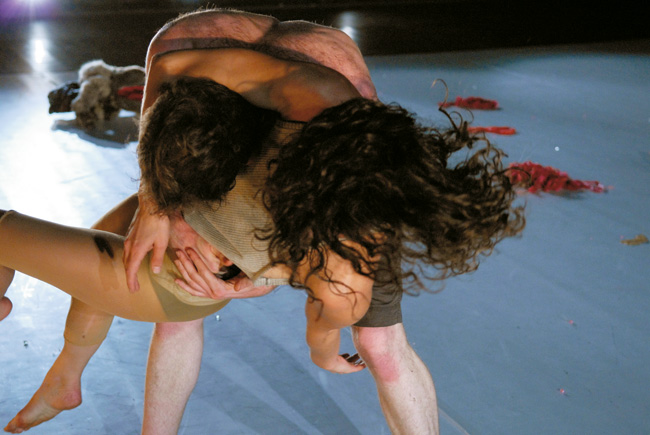
“At the other end of the spectrum from classical ballet, Tokyo possesses one of the world’s busier contemporary dance scenes. In contrast to the starkly uniform, white-painted bodies of Japanese butoh dancers, Japan’s contemporary dance community is a motley lot. Productions vary from the dystopian creations of Yoko Higashino’s Baby-Q company to the satirical pop revues of Ryohei Kondo’s Condors, reflecting Tokyo’s absorption and redefinition of diverse Western contemporary dance forms.”

Metropolis, Sep 11, 2012

Patti Smith: Don’t Call Her a Survivor
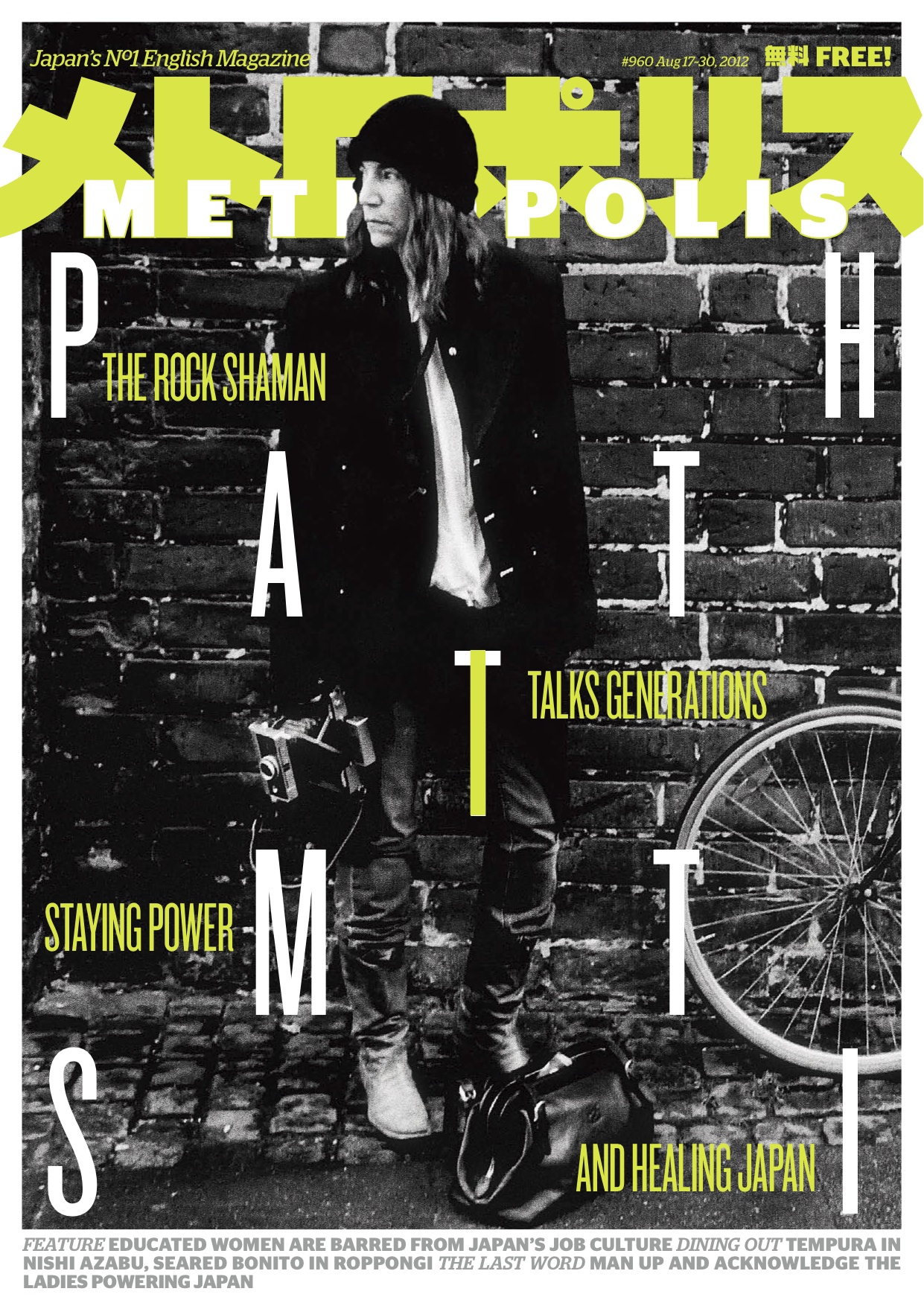
“I was deeply concerned about the people and their morale,” Smith says by phone from Amsterdam, where she’s set to play the city’s famous Paradiso. “Lenny [guitarist Lenny Kaye] and I wanted to write a song but we didn’t want to write specifically about the disaster. Lenny was working on some chords and the words just came to me. It’s a simple song based on 16th-17th century Japanese literature. It’s a prayer to the mountain to shelter the people.”

Metropolis, Aug 17, 2012

Image